
| Cosmetic dentist in Southfields offer dental treatments for general, private, restorative and cosmetic dentistry in South West London. |
|
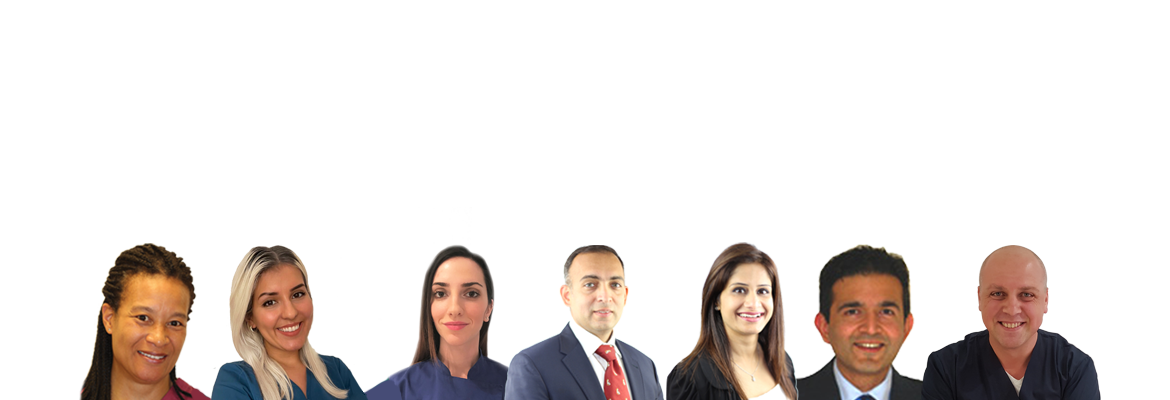
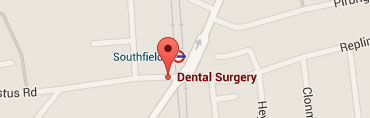
Dental Practice Description for Accessibility Why Choose Us Welcome Welcome to Southfields Welcome to the Southfields Dental Centre popularly known as ‘The Blue House’. This well established friendly family practice is situated in the popular SW19 area right next to Southfields underground station on the district line and is within a stone’s throw from the all-England lawn tennis club. This has been a dental practice dating as far back as 1930’s and from its early days has always enjoyed the reputation of offering good quality dental care. Since its inception it has been considerably modernised and now all surgeries are equipped with latest state of the art equipment. The practice caters to all your dental and aesthetic needs under one roof and at very affordable prices. The Practice Philosophy: ‘Prevention is better than cure and we aim to maintain oral health for life’. We treat the person and not just their teeth hence have always built lasting working relationship with all our patients. Our dedicated team of qualified dentists, specialists, dental hygienists and dental nurses are ever ready to listen and help. They work as a team to offer you the best possible care. Join us today and become part of the ‘Blue House family’ Reasons for you to choose us Convenient location right next to Southfields underground station. High Quality dental care at affordable prices. We offer 0% finance package. Caters for the entire family- children and older patients. We build working relationships with our patients. Dedicated team with different areas of expertise who work together to offer the best care to the patients. We cater to all your dental and aesthetic treatments under one roof- be it simple fillings, dental hygiene visits, surgical extractions, wisdom teeth problems to smile makeovers, implants, facial rejuvenation or clear braces. Modern surroundings with facilities like intro-oral cameras, digital x-rays and fully air-conditioned environment. We offer early and late appointments from 8am - 7pm. Friendly team to put nervous patients at ease, and you can watch a DVD during a treatment. Practice Gallery Our Team Dr. Niharika Gulati BDS (Hons), LDSRCPS (Glasg), MSc (Dist), DDPHRCS(Eng) Principal Dentist Nikki Gulati is the principal dentist at Southfields Dental Centre. She qualified in Dentistry with an honours degree in 1996. Thereafter, she obtained a Masters in Dental Public Health from the Eastman Dental Institute, with a distinction topping her year at the University of London in 1999. She also successfully completed a Diploma in Dental Public Heath from the Royal College of Surgeons of England in the same year. Further to this she completed a Licentiate in Dental Surgery from the Royal College of Physicians and Surgeons of Glasgow in 2002. In the early part of her career, she worked as a lecturer at Eastman Dental Institute teaching postgraduate dental students and published several articles in peer reviewed journals. She was also involved in setting up an e-learning Transcultural Oral Health Programme. Since then, she has been working solely in clinical dental practice and enjoys all aspects of general dental work with a special interest in smile makeovers, tooth whitening and advanced crown and bridgework. She has recently completed a one year advanced restorative and cosmetic dentistry course to further her skills, and is now a fully qualified Invisalign (Invisible Braces) practitioner. She is also involved in implant dentistry and restorations of such teeth. She regularly attends postgraduate courses to keep up to date in all aspects of dentistry. Her academic background and clinical judgement with a number of years of post qualification experience stand her in good stead to act in the best interests of her patients. She is known to put nervous patients at ease helping them to undertake treatment. She enjoys treating young patients and immediately forms a rapport with them, being a mother of two herself. On a personal level she enjoys spending time with her family, travelling, photography and reading. Mr. Aakshay Gulati BDS, FDSRCS (Eng), MBBS, MRCS (Eng) Principal Dentist Ash Gulati is among the select group of dually qualified surgeons in the country holding both Dental and Medical qualifications. Currently he is a Specialist Registrar in Oral and Maxillofacial Surgery in the South Coast Programme and wishes to pursue a hospital career in his chosen specialty. He qualified in Dentistry in 1996 and worked in hospital posts in Oral Surgery around the London region for five years, successfully obtaining the Fellowship in Dental Surgery (FDSRCS), awarded by the Royal College of Surgeons of England in 2001. Thereafter he completed a Medical degree from King’s College London in 2006. He has also recently been successful in the Surgical Membership Examinations from Royal College of Surgeons of England (MRCS). He is a partner at the Southfields Dental Centre and despite his busy hospital schedule finds time for practicing Implantology. With his extensive surgical background, he is well versed with the surgical aspects of oral surgery and implant dentistry. He has also undertaken advanced dental implant training in South Africa and the USA. He has publications in peer reviewed dental journals and presentations at regional, national and international conferences to his credit. In his spare time, he enjoys photography and scuba diving in various parts of the world. His other hobbies include tennis, cycling and collecting postgraduate qualifications! Being next door to the Wimbledon lawn tennis club, a keen interest in tennis is understandable although he is not yet centre court material. Dr. Ellen Rider BDS MFDSRCS Dentist Dr Rider qualified from Bristol University Dental School in 2000. She then spent several years in hospital posts, firstly in Bath and then in London working under consultants and teaching students, to gain further experience and training in both Oral Surgery and Restorative dentistry. During this time she also achieved her MFDS qualification in 2002 from the Royal College of Surgeons in England. Dr Rider then moved into general practice and has spent the last 4 years in private practice in Oxford before moving to London in November 2008. She has continued to update her knowledge and skills with regular courses, including a recent year long course to achieve a certificate in fixed prosthodontics through BOULD. She enjoys all aspects of general dentistry especially crown and bridgework, denture work and paediatric dentistry. Dr Rider is recently married and lives locally, outside of work she enjoys cross country running as well as cooking and entertaining friends. Pranshu Trivedi BDS, LDSRCPSGlasg, FDSRCSEng Oral Surgeon Graduated in 1994. Fellowship of the Royal College of Surgeons of England in 1998. GDC registered Specialist Oral Surgeon with 15 years of experience in hospitals and practice including research and training young dentists Specialist training in Endodontics. I provide a comprehensive examination, diagnosis and treatment service for patients with oral and dental problems, jaw joint problems and facial pain. All types of oral surgical procedures are carried out including wisdom teeth, difficult extractions, surgery to remove broken teeth, roots, cysts, infection, soft tissue surgery in the mouth, reshaping of gum or jaw bone. I have a special interest in Endodontics (Root Canal Surgery) and Facial Aesthetics Treatment (wrinkle removal, dermal fillers) My philosophy is to treat every patient like I would treat myself. Iben Rohde-Jensen Dental Hygienist Iben qualified from University of Aarhus, Denmark as a Dental Hygienist in Feburary 2002. She has been with The Blue House, Southfields Dental Centre since April 2002 Dental Interests: ‘As a hygienist my philosophy is that prevention is far better than cure. I am passionate about educating people to learn the best way to keep their gums and teeth healthy and free of disease. I believe in treating the person as opposed to just a set of teeth and I understand how important it is to build trust and confidence. That is why I approach all my patients with a smile and look forward to seeing you at The Blue House’ says Iben. She treats all aspects of gum disease, sets up and carries out maintenance programmes and give advice and instruction to keep healthy teeth and gums. This is all done a professional, yet friendly and relaxed way. Non-Dental Interests: Travelling, meeting friends and family, running, painting and photography Courses: Regular attends periodontal courses to keep abreast with new techniques along with CPR-courses. Sharon Donnagon Dental Hygenist Sharon qualified from Eastman Dental Institute, University of London as a Dental Hygienist in September 1991. With over 18 years of experience, She joined The Blue House, Southfields Dental Centre in the summer of 2006. As a dental Hygienist, Sharon has a special interest in Periodontology. Non-Dental Interests: Gym , Cinema, music and quality time with my family Coueses: Since qualifying in 1991 I have kept up to date with dental courses of interest and now my continuing professional development courses. Gill Smith Practice Manager Gill Smith qualified as a dental nurse as long back as 1966 - almost too long to remember!!! She worked as a dental nurse in two practices in London’s west end and Harley Street. Then she took a career break to bring up her two sons for seven years. Later she started working as a practice manager in the 1980,s and the past nursing experience has helped immensely. She helps to run the friendly practice here in Southfields making sure the patients are made to feel welcomed and well cared for. She also helps with the general management duties. Marina Dental Nurse Our dental nurse Marina is friendly and very helpful for you to trust and rely on. Treatments Cosmetic Dentistry Teeth Whitening Teeth are stained by the foods and drinks we consume. Smoking further stains teeth and the natural bright, white shade becomes darkened. Teeth whitening is a successful and simple method of lightening the colour of your teeth. The degree of whiteness achieved will vary from patient to patient and with the type of bleaching process chosen. Our single purpose is to achieve your healthiest and most naturally brilliant smile. BriteSmile improves whiteness better than any other treatment available. In fact, we often see over fourteen shades of improvement. And the results last for years! Our Office 1-hour power whitening can whiten teeth by up to several shades, brightening your teeth dramatically to its natural shade. Your lips and gums are covered and a gel is applied to your teeth. A special light is positioned over your teeth to activate the gel, which gently penetrates your teeth, breaking up stains and discolouration. Whiter, brighter teeth in less than an hour! Home Whitening A custom made mouth tray is created. A whitening gel is placed in the tray which you then wear whist asleep or for short periods during the day. Results are normally seen over 2 weeks. Porcelain Veneers If your front teeth are stained, chipped, or malaligned, veneers will give you a good life-like appearance with minimum tooth adjustment. A veneer is a porcelain facing on the front of your teeth usually your top teeth, it is just like a false finger nail. Veneers are made out of porcelain and are used mainly for aesthetic reasons. Veneers make teeth look natural and healthy, and because they are very thin and are held in place by a special strong bond (rather like super-glue) very little preparation of the tooth is needed. Porcelain veneers can improve the colour, shape and position of teeth. A precise shade of porcelain can be chosen to give the right colour to improve a single discoloured or stained tooth or to lighten front teeth (usually the upper ones) generally. Veneers can also be used to close small gaps, when orthodontics (braces) are not suitable. If one tooth is slightly out of position, a veneer can sometimes be fitted to bring it into line with the others. White Fillings If the decay is not too serious, our cosmetic dentist will remove all the decay and restore the tooth with a white (tooth coloured) filling. Our dentists can safely replace silver amalgam fillings with white tooth coloured fillings. Dental decay happens when the enamel and dentine of a tooth become softened by acid attack, producing a cavity (hole). More about decay detection in our Preventive Dentistry section. Gum Contouring and Teeth Reshaping Lengthen the appearance of your teeth by reshaping your gums. Shorten, smoothen or level your teeth to improve your smile line. Restorative Dentistry Broken Teeth A veneer can make a chipped tooth look intact again. The porcelain covers the whole of the front of the tooth with a thicker section replacing the broken part. Bonding: Sometimes instead of a porcelain veneer, a natural colour ‘composite’ material is used instead of porcelain. A natural-coloured filling material can be used for minor repairs to front teeth like chipped or broken tooth corners. Crowns A crown is an artificial restoration that fits over the remaining part of a prepared tooth, making it strong and giving it the shape of a natural tooth. A crown is sometimes known as a ‘cap’. Crowns are an ideal restoration for teeth that have been broken, or have been weakened by decay or a very large filling. They can be made of porcelain or gold or a combination of these materials. A dental crown could be used for a number of other reasons, for instance: you may have discoloured fillings and would like to improve the appearance of the tooth you may have had a root filling which will need a crown to protect it it may help hold a bridge or denture firmly in place. Bridges Besides having dental implants, there are two main ways to replace missing teeth. The first is with a removable false tooth or teeth – a partial denture. The second is with a fixed bridge. A dental bridge is usually used where there are fewer teeth to replace, or when the missing teeth are only on one side of the mouth. Bridges are usually made of a precious metal base. If the bridge will show, porcelain is then bonded to the base. Sometimes, there are other non-precious metals used in the base to reduce the cost. You should replace missing teeth for a number of reasons. Your appearance is one reason. Another is that the gap left by a missing tooth can mean greater strain is put on the teeth at either side. A gap can also mean your ‘bite’ is affected, because the teeth next to the space can lean into the gap and alter the way the upper and lower teeth bite together. This can then lead to food getting packed into the gap, which causes both decay and gum disease. Acrylic Co - CR Valplast Nobody has to know that you're missing teeth Flexible partial dentures are the comfortable, beautiful, and affordable choice. It was long thought that removable partial dentures had to be rigid to be effective. The innovation of the Valplast® Flexible Partial allows the restoration to adapt to the constant movement and flexibility in your mouth. Comfortable Non-Invasive Affordable Virtually Invisible Visit the Valplast website. This is the underlying thinking behind Valplast's innovative flexible, removable partial denture. The flexibility, combined with strength and light weight, provides total comfort and great looks! Preventive Dentistry Children Dentists Our Dentists aim to prevent dental disease rather than treat it at a later date. Fluoride applications and fissure sealants (tooth coloured sealants) are applied to biting surfaces of children's teeth to prevent decay. Dental Hygiene Dental hygiene treatment includes professionally cleaning the teeth for the patient. This is usually called scaling and polishing. However, perhaps our most important role is showing the patient the best way to keep the teeth free of plaque. The dentist also plays an important role in treating gum disease. Bad Breath Dental Bad breath is a very common problem and there are many different causes. Persistent bad breath is usually caused by the smelly gases released by the bacteria that coat your teeth and gums. However, strong foods like garlic and onions can add to the problem. Smoking is also one of the main causes of bad breath, along with certain illnesses such as nasal and stomach conditions. Bits of food that get caught between the teeth and on the tongue will rot and can sometimes cause an unpleasant smell. So correct and regular brushing is very important to keep your breath smelling fresh. The bacteria on our teeth and gums (plaque) also cause gum disease and dental decay. If you see your dentist regularly this will not only help prevent bad breath but will also let the dentist look for and treat these problems. Gum Disease Treatments Screening for gum disease forms an integral part of your routine examination. What is gum disease? Gum disease describes swelling, soreness or infection of the tissues supporting the teeth. There are two main forms of gum disease: gingivitis and periodontal disease. What is gingivitis? Gingivitis means inflammation of the gums. This is when the gums around the teeth become very red and swollen. Often the swollen gums bleed when they are brushed during cleaning. What is periodontal disease? Long-standing gingivitis can turn into periodontal disease. There are a number of types of periodontal disease and they all affect the tissues supporting the teeth. As the disease gets worse the bone anchoring the teeth in the jaw is lost, making the teeth loose. If this is not treated, the teeth may eventually fall out. What is the cause of gum disease? All gum disease is caused by plaque. Plaque is a film of bacteria which forms on the surface of the teeth and gums every day. Many of the bacteria in plaque are completely harmless, but there are some that have been shown to be the main cause of gum disease. To prevent and treat gum disease, you need to make sure you remove all the plaque from your teeth every day. This is done by brushing and flossing. What happens if gum disease is not treated? Unfortunately, gum disease progresses painlessly on the whole so that you do notice the damage it is doing. However, the bacteria are sometimes more active and this makes your gums sore. This can lead to gum abscesses, and pus may ooze from around the teeth. Over a number of years, the bone supporting the teeth can be lost. If the disease is left untreated for a long time, treatment can become more difficult. How do I know if I have gum disease? The first sign is blood on the toothbrush or in the rinsing water when you clean your teeth. Your gums may also bleed when you are eating, leaving a bad taste in your mouth. Your breath may also become unpleasant. Dental Implants Dental implants offer a permanent solution for your missing teeth. A dental implant is essentially a substitute for a natural root and commonly it is screw or cylinder shaped. Each implant is placed into a socket carefully drilled at the precise location of the intended tooth. Often the implant can be placed at the same time as removal of the tooth all on the same day. If an implant has a screw-thread on its outer surface it can be screwed into position and if it does not, it is usually tapped into place. The main aim during installation of any implant is to achieve immediate close contact with the surrounding bone. This creates an initial stability, which over time is steadily enhanced by further growth of bone into microscopic roughnesses on the implant surface. In order to support replacement teeth, dental implants normally have some form of internal screw thread or post space that allows a variety of components to be fitted. Once fitted, these components provide the foundation for long-term support of crowns, bridges or dentures. Click here for illustrated information. THE BICON SYSTEM is a unique dental implant system, offering the worldwide dental community a comprehensive solution since 1985. Bicon’s engineers and clinicians have been responsible for many of the innovations in implant dentistry for decades. Bicon’s unique plateau design follows sound bioengineering principles which allow for the use of short implants. Its unique bacterially-sealed, locking taper, implant to abutment connection provides for 360° of universal abutment positioning — offering restorative flexibility unmatched by other implant systems. The sloping shoulder of the Bicon implant consistently provides for gingivally aesthetic restorations, which are easily achieved because the bone that is maintained over the shoulder of the implant provides support for the interdental papillae. Bicon’s unique design and its revolutionary clinical techniques have not only passed the test of time, but also continue to lead implant dentistry. We welcome your joining Bicon clinicians from around the world, so that both you and your patients may also enjoy the clinical benefits of Bicon. General Dentistry Oral Surgery (Extractions) Oral surgery can be provided with sedation for nervous patients. Wisdom Teeth Sometimes there may not be room in your mouth for your wisdom teeth and, as they start to come through, they push against the teeth already there or may start to come through at an angle. When this happens, you might feel some pain or discomfort, so the best thing to do is to visit your dentist. The dentist will probably take an x-ray of your mouth to see how - or if - your wisdom teeth are coming through. From this, they will be able to make a judgement on whether or not to take them out, and how easy or difficult it might be. Extractions can also be done under sedation. Extractions Having a tooth out is the same as having an operation and, because of this, you must look after the area to speed healing and to reduce the risk of infection. Here are some pointers: For the first 24 hours, try to avoid eating hot food, don't smoke, don't drink any alcohol and try not to disturb any blood clot which might have formed. Don't rinse your mouth for 24 hours after extraction. After that, rinse gently with warm salty water - half a teaspoon of salt in a glass of water is enough. Brush your teeth as normal to keep your mouth as clean as possible. You may feel some small pieces of bone work their way out of the socket - don't worry, this is perfectly normal. There may be some swelling and a bit of discomfort in the first two to three days. If you need to, take some ordinary painkillers - aspirin, ibuprofen or paracetomol will be fine. If you feel pain a few days after the tooth has been removed, it might be where the blood clot has broken down leaving an empty hole in the gum. This is called a 'dry socket' and will need to be looked at by your dentist. Simply go back and the dentist will pack the wound to ease your discomfort. Your dentist may have given you some gauze to place onto the area where the tooth has been removed - if not, a clean cloth handkerchief will do just as well (but not a paper tissue). Roll it into a small firm pad large enough to fit over the gap (probably around 1cm by 3cm). Sit up and gently clear away any blood clots around the gap using the gauze or hanky. Put a clean pad over the gap (from tongue side to cheek side) and bite down on it firmly for 10 to 15 minutes. Take the pad off and check whether the bleeding has stopped. If not, apply a fresh pad and contact your dentist Root Canal Treatment What is root canal treatment? Root canal treatment (also called endodontics) is needed when the blood or nerve supply of the tooth (known as the pulp) is infected through decay or injury. Why is root canal treatment needed? If the pulp becomes infected, the infection may spread through the root canal system of the tooth. This may eventually lead to an abscess. If root canal treatment (RCT) is not carried out, the infection will spread and the tooth may need to be taken out. Does it hurt? No. A local anaesthetic is used and it should feel no different to having an ordinary filling done. What does it involve? The aim of the treatment is to remove all infection from the root canal. The root is then cleaned and filled to prevent any further infection. Root canal treatment is a skilled and time-consuming procedure. Most courses of treatment will involve two or more visits to your dentist. At the first appointment, the infected pulp is removed. Any abscesses, which may be present, can also be drained at this time. The root canal is then cleaned and shaped ready for the filling. A temporary filling is put in and the tooth is left to settle. The tooth is checked at a later visit and when all the infection has cleared, the tooth is permanently filled. What will my tooth look like after treatment? In the past, a root filled tooth would often darken after treatment. However, with modern techniques this does not usually happen. If there is any discolouration, there are several treatments available to restore the natural appearance. What if it happens again? Root canal treatment is usually very successful. However, if the infection comes back the treatment can be repeated. What if I don’t have the treatment? The alternative is to have the tooth out. Once the pulp is destroyed, it can’t heal and it is not recommended to leave an infected tooth in the mouth. Although some people would prefer an extraction, it is usually best to keep as many natural teeth as possible. Will the tooth be safe after treatment? Yes. However, it is better to restore the tooth with a crown to provide extra support and strength to the tooth. Where can this treatment be carried out? Root canal treatment is a routine dental procedure, which your dentist will be happy to do for you. What about aftercare? Root-treated teeth should be treated just the same as any other tooth. Remember to clean your teeth at least once a day, preferably with a fluoride toothpaste. Cut down on sugary snacks, and keep them only to mealtimes if possible. See your dentist for regular check-ups. Apicectomy (APICAL SURGERY) This is a surgical procedure to remove the tip of the root of a tooth within the jawbone and any associated infection. A tooth can get infected due to decay, large filling or trauma. Initially, root canal treatment is performed to clear the infection. Sometimes root canal treatment is not sufficient or not possible. Surgical treatment is then carried out and many teeth can be saved when otherwise they would have to be taken out. Guided Tissue And Bone regeneration Infection from gum or dental disease or injury can lead to extensive bone loss around the tooth, thus weakening the tooth considerably. Surgical treatment and bone grafting can be done to regenerate the lost tissue, thus saving the tooth from extraction. Orthodontics Invisalign "Nearly Invisible" Clear Braces Invisalign® - show off your smile, not your braces Nothing is as important as a genuine and heartfelt smile. Whether in your professional life or when you are out socialising, an attractive smile can make you feel happier and more relaxed – as well as making the right impression! If you’ve ever thought about how improving your smile could help you to feel more confident, Invisalign® might be for you. With the Invisalign® technique you can have the smile you always wanted, without traditional, metal braces. Invisalign® - the clear choice Invisalign® can help to treat a variety of orthodontic concerns and studies have shown it can be better for your dental hygiene during treatment as well. Your treatment is nearly invisible, almost no-one will be able to tell you are wearing Invisalign®. You can smile more during as well as after your treatment and because you can remove Invisalign® you can eat and drink what you like. So far over 480,000 patients worldwide have more reasons to smile –thanks to Invisalign®. Invisalign® Clinically Effective More than 10,000 doctors are prescribing Invisalign® as an innovative treatment for straightening teeth. In addition to the aesthetic and comfort advantages, Invisalign® offers a number of significant clinical benefits including: Predictable treatment, as Invisalign® is planned in advance your dentist can more accurately predict when your treatment will be finished Improved periodontal health through better dental hygiene during treatment No metal allergies due to brackets and wires Greater treatment visibility and easier planning with our treatment software Custom manufacture means a tailored match to your teeth, for reduced irritation and fewer scratches Face & Beauty Botox Botulinum Toxin What is botulinum toxin? Botulinum toxin is a purified bacterial substance that blocks muscle nerve signals. The dentist can safely inject botulinum toxin to weaken facial muscle and diminish unwanted wrinkles and frown lines that appear across the forehead and at the corners of the eyes (crow’s feet). The Botox anti-wrinkle treatment can smooth out age-related wrinkles such as crows feet, frown lines or lines on the forehead. It works in a different way than the injected gels and the effects last between 3 – 5 months. What is BOTOX®? BOTOX® Cosmetic is a simple, non-surgical, physician-administered treatment that can temporarily smooth moderate to severe frown lines between the brows in people from 18 to 65 years of age. It is the only treatment of its type approved by the Food and Drug Administration (FDA). One 10-minute treatment, a few tiny injections and within days there's a noticeable improvement in those persistent lines between the brows, which can last up to 4 months. Results may vary. BOTOX® Cosmetic is a purified protein produced by the Clostridium botulinum bacterium, which reduces the activity of the muscles that cause those frown lines between the brows to form over time. A million people have been treated with BOTOX® Cosmetic since FDA approval in 2002. Not just models and movie stars, but people from all types of professions. BOTOX® Cosmetic can smooth moderate to severe frown lines between your brows for up to 4 months. Restylane Restylane is a crystal clear gel form of hyaluronic acid, a substance that occurs naturally in the body. Hyaluronic acid holds water, hydrating and giving volume to the skin. Smile Make Over What to look for when Designing Your Smile! Horizontal Symmetry: Draw an imaginary horizontal line through the centre of both your pupils and another horizontal line between the tips of your canine teeth. Ideally, these two horizontal lines should be parallel. Often, one side slopes down. Vertical Symmetry: Draw an imaginary vertical line through the centre of your face. This mid-line should run through the centre of your eyes, nose and chin. Ideally, the mid-line should also run through your two central incisors thus making the central incisors a mirror image of each other. Smile Width: Ideally, a wide smile will show your first molar to first molar tooth. Although if you have a narrow smile you may only see the front six teeth from canine to canine. Smile Line: Draw an imaginary curve along the bottom of your upper teeth and compare it to an imaginary curve of your lower lip. Ideally, your smile should be curved in order to look younger. Gum Line: Draw an imaginary curve along the top of your upper teeth. Ideally, only the pink triangular parts of gum between the teeth show. However, some people show a lot more gum or the gum that shows is uneven giving an irregular gum line. The Golden Proportion: This special proportion was discovered by the Greeks and is found in many areas of nature. Ideally, the widths of each of the front teeth compared to the next follows this special proportion. Tooth Proportion: Ideally the width of a tooth should be approximately 80% of the length. However for patients that wear/grind their teeth, this ration is closer to 1:1 as the teeth have shortened and become squarer. This is a way to measure exactly how much tooth has been lost over the years and is often used to rebuild edges of teeth to their ideal proportions and perfect smile. Embrasure Space: These are the little triangular like spaces between the tips of the front teeth. Without embrasure spaces, the teeth would look like flat piano keys with no character to them. Ideally, the embrasure spaces should be smallest between the two central incisors and gradually become larger as you examine teeth further into the mouth. An ideal feminine smile tends to have more definite round embrasures. Nervous Patients We are here to help At Southfields dental centre we ensure that all nervous patients are made to feel very welcome. We offer them to come in for a visit to the practice and our very helpful team from reception staff, dental nurses to dentists will immediately make you welcome. We are a warm friendly practice and your comfort is paramount to any treatments we undertake. You can listen to some calming music and even watch your favourite DVD while undergoing treatment to make you feel relaxed! We can also offer some aromatherapy at request or premedication before or during dental treatment. All our dentists and dental hygienists work with you and will pay attention to your concerns to ensure your experience at the practice is a pleasant one. |