
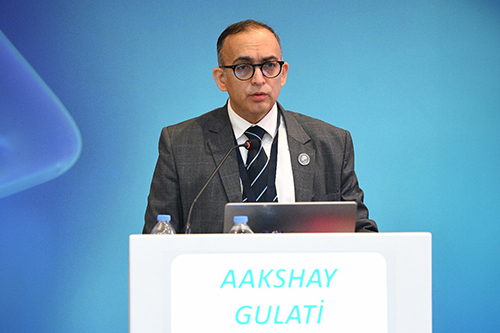
Meet your clinician

Consultant Oral and Maxillofacial Surgeon
FDSRCS (Eng), MBBS (Lon), MRCS (Eng), FRCS (Eng) OMFS
GMC No. 6143043
GDC No. 81791
ICO No. ZA130574
Ash Gulati is appointed as Consultant Oral and Maxillofacial Surgeon at the renowned Queen Victoria Hospital, East Grinstead, with a specialist interest in head & neck oncology and reconstruction. He is dually qualified in both dentistry (1996) and medicine (2006) and is on the specialist lists for both Oral Surgery and Oral & Maxillofacial Surgery. He has over 20 years’ experience in dental implantology and is able to take on the more complex cases where bone grafting, sinus lifts , etc are required in light of his surgical background. Mr Gulati has a keen interest in teaching and regularly lectures nationally and internationally in his chosen fields of interest.



Q&A With Your Clinician
Transforming smiles, changing lives

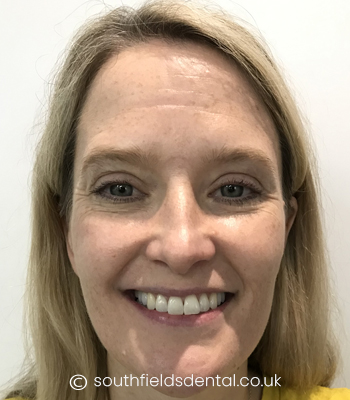
After losing her teeth in a bike accident, this patient chose dental implants to restore her smile and her confidence. It was a life-changing transformation that helped her feel like herself again.
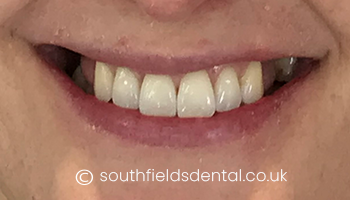
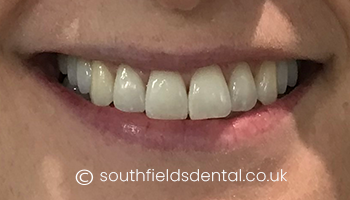
Bridges, dentures and flexible dentures are not the only solution, thanks to advances in modern dentistry. Have you heard of dental implants? Implant dentistry offers a clinically proven and safe solution to getting a great smile back and being able to bite and chew with confidence.
- Dental implants are small metal screws that are placed in the jaw in place of a missing tooth.
- Once established, crowns, bridges and dentures can be fixed onto the implants, creating a natural-looking and stable restoration.
- When you lose your natural teeth, your jaw bone and surrounding tissues start to resorb or disappear over time. When implants are placed in the jaw, it stimulates the remaining bone to grow and mesh around the metal, along with tiny blood vessels, preventing bone loss.
- Retained bone structure prevents the face from acquiring a ‘sunken’ look.
- Implants help restore function so you can eat, chew and bite as usual.
- Implants are a natural-looking way to replace missing teeth.
What are dental implants?
Dental implants are titanium screws that are inserted into the jaw bone. Once integrated with the bone, they can support crowns or bridges, which can function as teeth.
How are dental implants placed?
The dental implant procedure typically involves several steps. First, the dentist will numb the area and make a small incision in the gum to access the jawbone. Then, a small hole is drilled into the bone and the implant is placed. Over the next few months, the implant will fuse with the bone in a process called osseointegration. Once the implant is secure, a connector called an abutment is placed on top of the implant. Finally, a replacement tooth is attached to the abutment.
Are dental implants painful?
The dental implant procedure is typically performed under local anaesthesia, so you should not feel any pain during the procedure. However, you may experience some discomfort and swelling after the procedure. The dentist will typically prescribe pain medication to help manage any discomfort.
How long do dental implants last?
Dental implants are designed to be a long-term solution for missing teeth. With proper care and maintenance, they can last for many years, and in some cases, a lifetime. However, the lifespan of dental implants can vary depending on factors such as the patient’s oral hygiene habits, the quality of the bone tissue, and other health factors.
How do I care for my dental implants?
Caring for dental implants is similar to caring for natural teeth. You should brush and floss regularly, and visit your dentist for regular checkups and cleanings. Additionally, you may need to use special tools, such as interdental brushes or water flossers, to clean around the implant.
Are there any risks associated with dental implants?
As with any surgical procedure, there are some risks associated with dental implants. These can include infection, nerve damage, or implant failure. However, these risks are relatively rare, and most patients experience successful outcomes with few complications.
How much do dental implants cost?
The cost of dental implants can vary depending on the number of implants needed, the location of the implants, and other factors. For an accurate price range, book a consultation with our dental team.
Are dental implants right for everyone?
While dental implants are a safe and effective solution for many people, they may not be right for everyone. Factors such as the quality of the bone tissue, oral health, and overall health can impact the success of the procedure. When you book a consultation with us, our dentist will examine your particular situation and help determine if dental implants are a good option for you.
How do I get started with dental implants?
If you are interested in dental implants, the first step is to schedule a consultation with us. During the consultation, we will evaluate your oral health and determine if you are a good candidate for the procedure. We can also provide you with more information about the procedure, including the cost and any financing options that may be available.
What if I don't have enough bone?
All cases are carefully assessed during treatment planning and a 3D cone beam CT scan is often done to assess bone levels. Building of bone (bone grafting) where deficient can often be done at the time of implant placement or prior to commencing the implant procedure based on the levels of bone deficiency.